AP HUMAN GEOGRAPHY
  • Home
  • About
  • Contact
  • Tips For Succes
  • UNIT 1
    • ESPN Model
    • Question of WHERE? >
      • Blog
    • Interpreting Data
    • Distribution
    • Mapping Skills & Geographic Tools >
      • Map Test Review
      • Cool Geographic Tools
      • Latitude and Longitude
      • Map Projections
      • Types of Maps
      • The Big Picture: The Continents and Oceans
    • Thinking About Place >
      • Telling Time Zones
      • Site and Situation of a Place
      • Location of a Place
    • Regions >
      • Exploring Physical Regions
      • Exploring Cultural Regions
      • Human Environment Interaction
      • Environmental Determinism vs. Possibilism
    • Thinking About Scales >
      • Differentiating Scales
      • Globalization
    • Thinking About Connections >
      • Spatial Interactions
      • Diffusion
    • UNIT 1 Review >
      • UNIT 1 Vocabulary
      • UNIT 1 Topics & FRQs
  • UNIT 2
    • Where Is The World's Population Distributed? >
      • Population Density and Resources
      • Population Density
      • Comparison Activity: Population Density and Climate
      • Climate Zones Review
    • Demography and Where Has The World's Population Increase? >
      • 7 Billion and Counting
      • Birth Rates and Death Rates: Population Increase
      • Standard of Living: MDCs vs. LDCs
      • Human Development Index >
        • Human Development Index Project
    • Why Is Population Increasing At Different Rates In Different Countries? >
      • How To Read A Population Pyramid
      • How To Interpret A Population Pyramid
      • Population Pyramid Activity Assessment
    • Population Policies >
      • Lost China Girls Replacement Activity
    • Why Do People Migrate? >
      • Push & Pull Factors
      • Intervening Obstacles
      • Characteristics of Migrants
    • Where Are Migrants Distributed? >
      • Great Migrations Voicemail Project
    • Why Do Migrants Face Obstacles? >
      • Immigration Policies of Host Countries
      • Immigration Issues Today
    • UNIT 2 Review >
      • UNIT 2 Vocabulary
      • UNIT 2 Topics & FRQs
  • UNIT 3
    • Folk vs. Popular
    • Cultural Divergence & Convergence
    • Why Is Folk Culture Clustered? >
      • Isolation Creates Diversity
      • Influence Of The Physical Environment
    • Why Is Popular Culture Widely Distributed? >
      • Diffusion Of Popular Culture >
        • Diffusion Of Culture Through Media
        • Threat To Folk Culture
    • Where Are English Language Speakers Distributed? >
      • Origin and Diffusion Of English >
        • English Colonies
      • Dialects Of British English
      • British English vs. American English
      • US English Dialects
    • Classification Of Languages & Diffusion
    • Why Do People Perserve Local Languages? >
      • Case Study: Hebrew Language
      • Case Study: Gaelic Language
      • Case Study: Icelandic Language
      • Case Study: Multilingual States
    • Global Dominance Of English >
      • Changing Languages
    • World Religions >
      • World Religions Quick Facts
    • Where Are Religions Distributed? >
      • Religion Bodies Project
      • Diffusion Of Religions
      • Holy Places & Calendars
    • Why Do Religions Organize Space In Patterns? >
      • Disposing Of The Dead
      • Religious Settlements
      • Administration Of Religious Spaces
    • Religious Conflicts >
      • Religion vs. Government
      • National Geographic Assignment >
        • Arab-Israeli Conflict
        • Northern Ireland Conflict
        • Tibet Conflict
        • Nigerian Conflict
    • US Ethnicities Distribution >
      • Concentrations Of Ethnicities In The US
      • African American Migration Flows
    • Differentiating Between Race & Ethnicity >
      • Apartheid In South Africa
    • Why Do Ethnicities Clash? >
      • Ethnic Cleansing >
        • Modern Ethnic Conflicts
    • UNIT 3 Review >
      • UNIT 3 Vocabulary
      • UNIT 3 Topics & FRQS
  • UNIT 4
    • Where Are States Located? >
      • Types Of Government Systems
      • Problems Defining States
      • Varying Sizes Of States
    • Development Of State Concept >
      • Colonies >
        • Colonial Practices
    • Where Are Boundaries Drawn Between States?
    • Why Do Boundaries Create Conflict Between States? >
      • Turmoil In The Caucasus Region
      • Stateless Nations
    • Supranational Organizations: EU & UN >
      • NATO & NAFTA
      • OPEC & WTO
      • Latin American Union Project
    • Unit 4 Review >
      • UNIT 4 Vocabulary
      • UNIT 4 Topics & FRQs
  • UNIT 5
    • Where Are Agricultural Regions In LDCs? >
      • Shifting Cultivation
      • Pastoral Nomadism
      • Intensive Subsistence Agriculture
      • Agriculture in LDCs Thinking Questions
    • Where Are Agricultural Regions In MDCs? >
      • Mixed Crop & Livestock
      • Dairy Farming
      • Grain Farming
      • Livestock Ranching
      • Mediterranean Agriculture
      • Commerical Gardening & Fruit Farming
      • Plantations
      • Agriculture In MDCs Thinking Questions
    • Von Thunen Model
    • Hungry Earth: World Food Crisis >
      • Green Revolution
      • Future Of Foods
      • World Food Resources
      • Hunger Games Project
    • Sustainable Agriculture >
      • Dangers Of Non-Sustainable Agriculture
      • Sustainable Agriculture >
        • Saving The Rainforest
    • Eat More Chicken? Beef? or Pork?
    • UNIT 5: Review >
      • UNIT 5 Vocabulary
      • UNIT 5 Topics & FRQs
  • UNIT 6
    • Economic Systems
    • Economic Indicators >
      • Economic Activities
      • Productivity
      • Raw Materials
      • Consumer Goods
    • Social Indicators
    • Demographic Indicators
    • LDCs Face Development Obstacles >
      • How Countries Develop
      • Distribution of MDCs and LDCs >
        • Categorizing Development
        • Interpreting Demographic Data >
          • Levels Of Development Activity 1
          • Levels Of Development Activity 2
          • Levels Of Development Exploration
    • Origins Of Industry
    • Where Is Industry Distributed? >
      • North America Industrial Regions >
        • Maquiladoras Case Study
      • East Asia Industrial Regions
    • Development Theories And Models >
      • Least Cost Theory
    • Industrial Problems >
      • Industrial Poster
    • Why Do Industries Face Problems? >
      • Industrial Problems In MDCs & LDCs
    • UNIT 6 Review >
      • UNIT 6 Vocabulary
      • UNIT 6 Topics & FRQs
  • UNIT 7
    • World Cities
    • Topograpy & Settlements >
      • How Do Resources Influence Settlements?
      • How Do Man-Made Features Influence Settlements?
    • Origin Of Cities
    • Where Did Services Originate? >
      • Origin Of Services
      • Services In Rural Settlements
    • Consumer Service Patterns >
      • Market Area Analysis
      • Rank Size Rule
      • Economic Base Of Settlements
    • Why Do Services Cluster In Downtown?
    • Outside The CBD
    • Why Do Cities Have Problems? >
      • Cause & Effect Practice
    • Inner City Problems
    • Where Are People In Cities? >
      • Concentric Zone Model
      • Sector Model
      • Multiple Nuclei Model
      • Peripheral Model
      • Latin American Urban Model
      • African Urban Model
      • Asian Urban Model
    • UNIT 7 Review >
      • UNIT 7 Vocabulary
      • UNIT 7 Topics & FRQs
  • AP REVIEW
    • Notable Geographers
    • Key Concepts In APHG
    • Decoding APHG
    • FRQ Tips
    • Online Reviews
    • Around The World Reviews
    • Predict Your APHG Exam Score
 

In this section, we will be looking at continents, oceans, and other geographic features. Identifying and describing these features are important skills that every student of social studies must master. Physical geography, the study of the earth and its features, is an important part in all of the social studies courses you are required to take in middle school and high school.

CONTINENTS: Continents are landmasses, which vary in size and location. There are seven continents in all: Africa, Antarctica, Asia, Australia, Europe, North America, and South America. Most of the continents touch each other, with the exceptions being Antarctica and Australia.

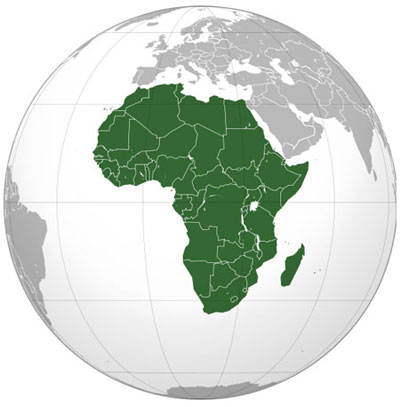
  1. Africa:
    A special purpose map/globe featuring the continent of AfricaSource: Africa (orthographic projection), Martin23230, Wikimedia

    Africa is the continent featured on this map and is the world's second largest and second most populous continent. It covers 11,730,000 square miles (30,370,000 square kilometers), and composes 20.4% of the Earth's total landmass. The total population of Africa is 922,011,000 (14% of the Earth's total population).

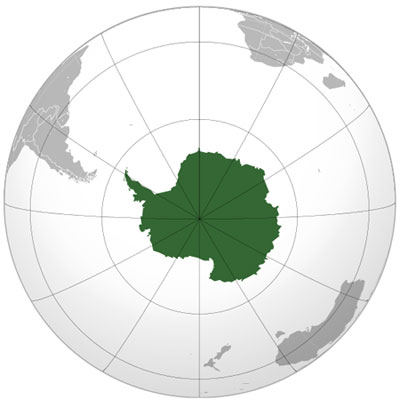
  2. Antarctica:
    A special purpose map/globe featuring the continent of Antarctica.Source: Antarctica (orthographic projection), Heraldry, Wikimedia

    Antarctica is the continent featured on this map. Antarctica is Earth's southernmost continent, encapsulating the South Pole. It is located in the Antarctic region of the Southern Hemisphere, almost entirely south of the Antarctic Circle. Antarctica covers 5,300,000 square miles (13,720,000 square kilometers) which is 9.2% of the Earth's total landmass. Despite its size, Antarctica is sparsely populated. Only several thousand people call Antarctica home, most of them seasonal.

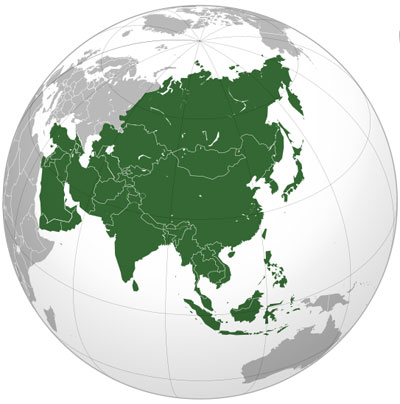
  3. Asia:
    A special purpose map/globe featuring the continent of AsiaSource: Asia (orthographic projection), Ssolbergj, Wikimedia

    Asia is the continent featured on this map. Asia covers 16,920,000 square miles (43,820,000 square kilometers). Asia is the world's largest and most populated continent covering 30% of the total landmass and is home to 3.88 billion people (60% of the Earth's entire population).

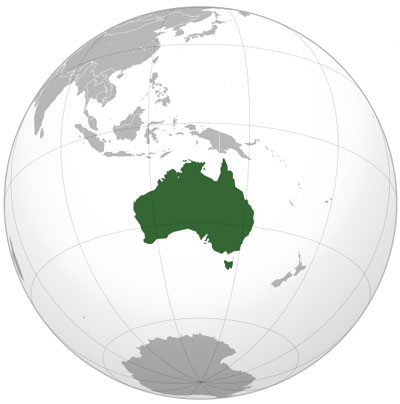
  4. Australia:
    A special purpose map/globe featuring the continent of Australia.Source: Australia (orthographic projection), Ssolbergj, Wikimedia

    Australia is the continent featured on this map. As you can see, Australia is an island. Australia covers 3,478,200 square miles (9,008,500 square kilometers) which is 5.9% of the Earth's total landmass. The smallest of the continents, Australia is home to 31,260,000 people.

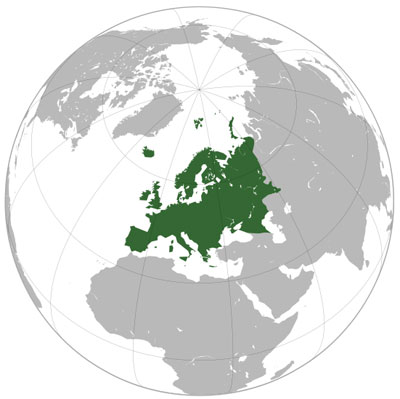
  5. Europe:
    A special purpose map/globe featuring the continent of Europe.Source: Europe orthographic Caucasus Urals boundary, Ssolbergj, Wikimedia

    Europe is the continent featured on the map above. Europe covers 3,930,000 square miles (10,180,000 square kilometers), or 6.8% of the total landmass. Even though Europe is small in comparison to other continents, it is densely populated (731,000,000 people).

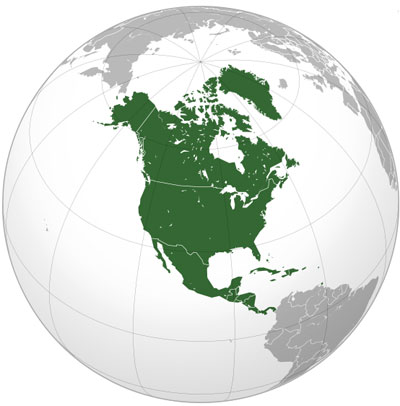
  6. North America:
    A special purpose map/globe featuring the continent of North America.Source: Location North America, Bosonic dressing, Wikimedia

    North America is the continent featured in the map above. North America covers 9,460,000 square miles (24,490,000 square kilometers) or 5.9% of the Earth's total landmass. The population of North America consists of 520,720,588 people (8% of the world's population).

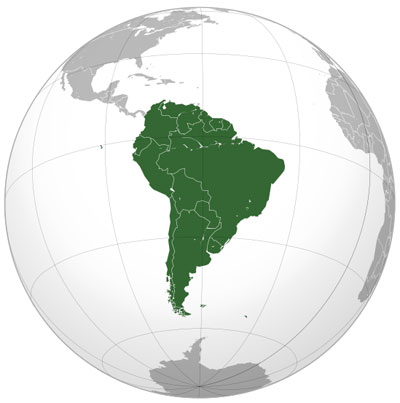
  7. South America:
    A special purpose map/globe featuring the continent of North America.Source: South America (orthographic projection), Luan, Wikimedia

    South America is the continent featured in the map above. South America covers 6,890,000 square miles (17,840,000 square kilometers), or 12% of the total landmass. The population of South America is 382,000,000 people (6% of the world's population).

Interactive exercise. Assistance may be required. Activity 1: Drag and the drop the continents in their proper location.

OCEANS:

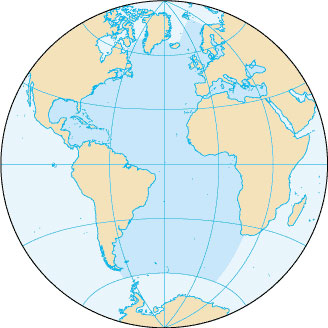
  1. Atlantic Ocean:
    A special purpose map/globe showing the location and size of the Atlantic Ocean.Source: Atlantic Ocean, CIA World Factbook, Wikimedia

    Featured in the map above is the Atlantic Ocean. The Atlantic Ocean is the body of water that lies between the continents of North America, Europe, Africa, and South America.

  2. Pacific Ocean:
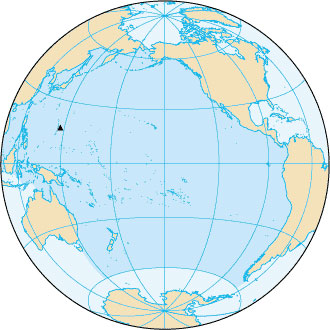
    A special purpose map/globe showing the location and size of the Pacific Ocean.Source: Pacific Ocean, CIA World Factbook, Wikimedia

    Featured in the map above is the Pacific Ocean. The Pacific Ocean lies between the continents of Asia, North America, South America, and Australia.

  3. Indian Ocean:
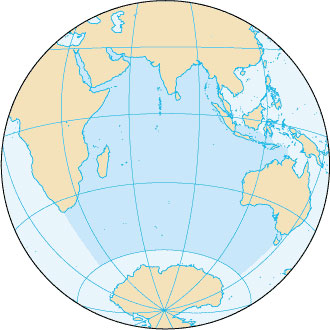
    A special purpose map/globe showing the location and size of the Indian Ocean.Source: Indianocean, CIA World Factbook, Wikimedia

    Featured in the map above is the Indian Ocean. The Indian Ocean lies between the continents of Africa, Asia, and Australia.

  4. Southern Ocean:
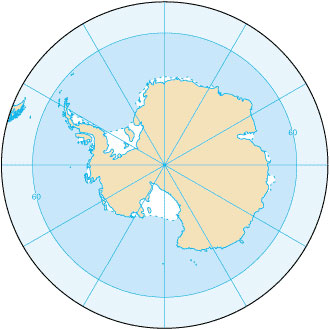
    A special purpose map/globe showing the location and size of the Indian Ocean.Source: Southern Ocean, CIA World Factbook, Wikimedia

    The map above features the Southern Ocean. The Southern Ocean covers the southern portion of the globe surrounding Antarctica.

  5. Artic Ocean:
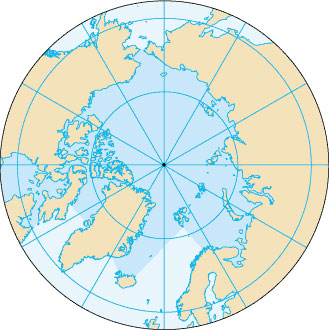
    A special purpose map/globe showing the location and size of the Artic Ocean.Source: Artic Ocean, CIA World Factbook, Wikimedia

    Featured in the map above is the Arctic Ocean. The Arctic Ocean covers the northern portion of the globe between the continents of North America, Europe, and Asia.

Interactive exercise. Assistance may be required. Activity 2: Drag and drop the correct names of the oceans on to the correct locations on the map.

Powered by Create your own unique website with customizable templates.